BUNKER DOWN!
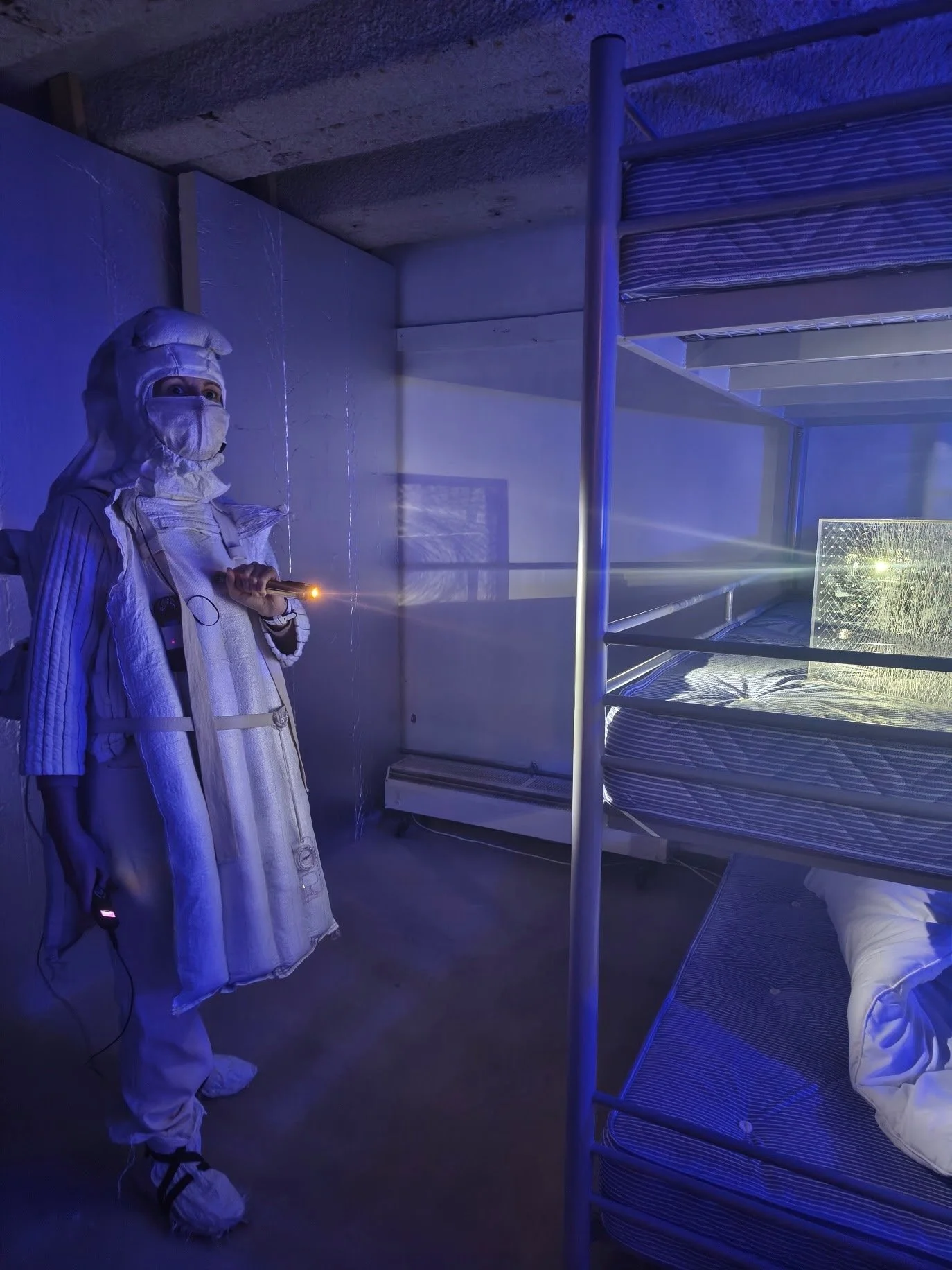
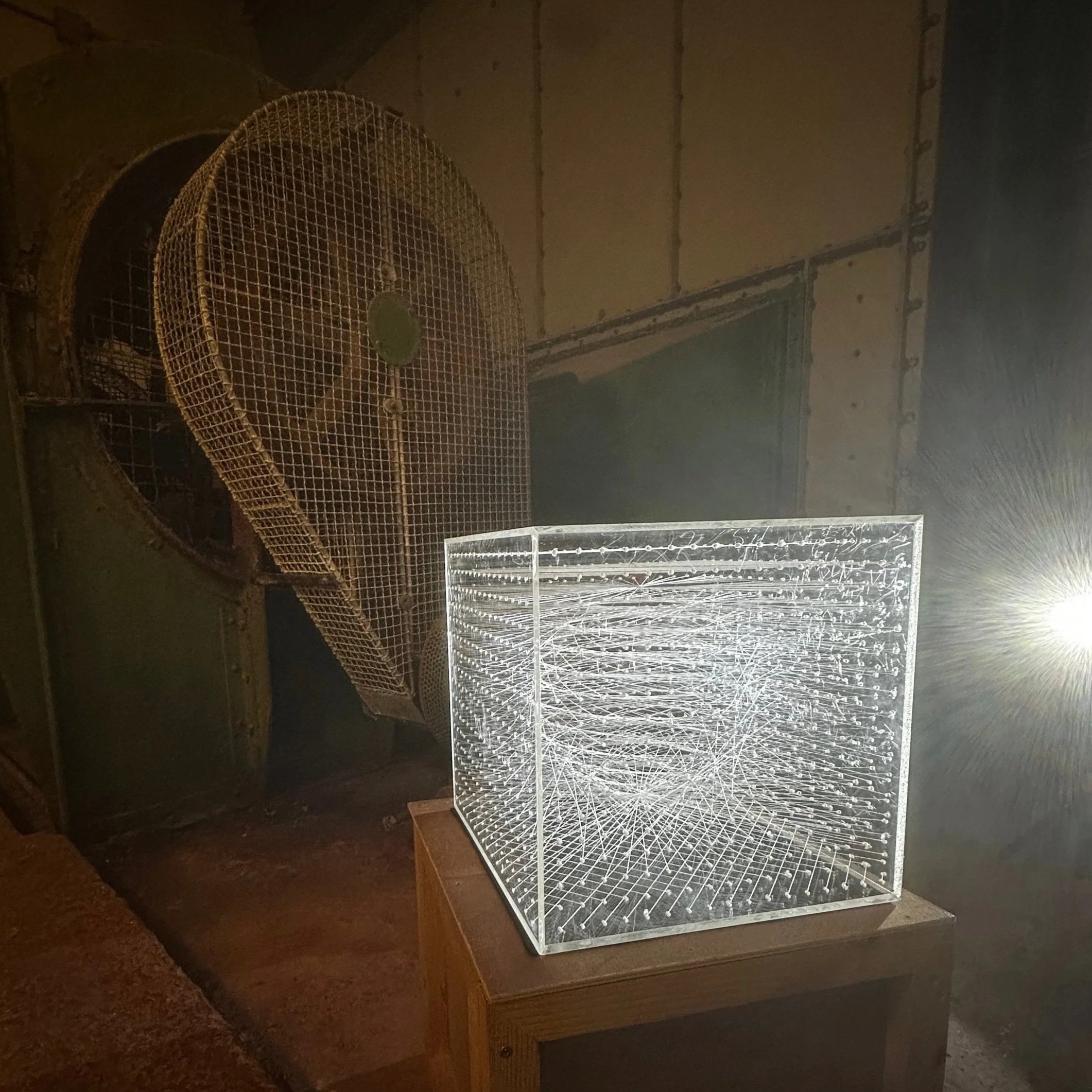
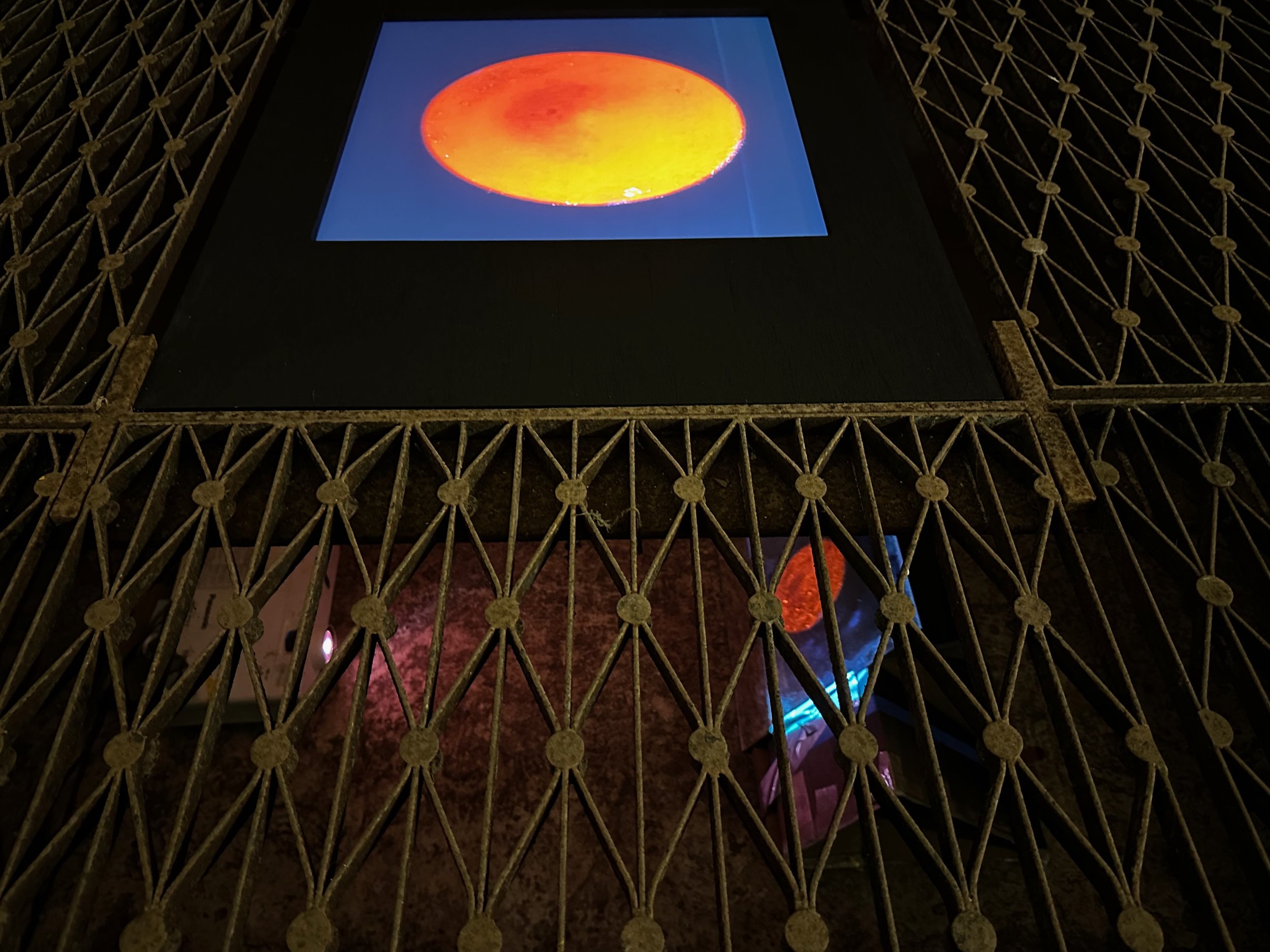
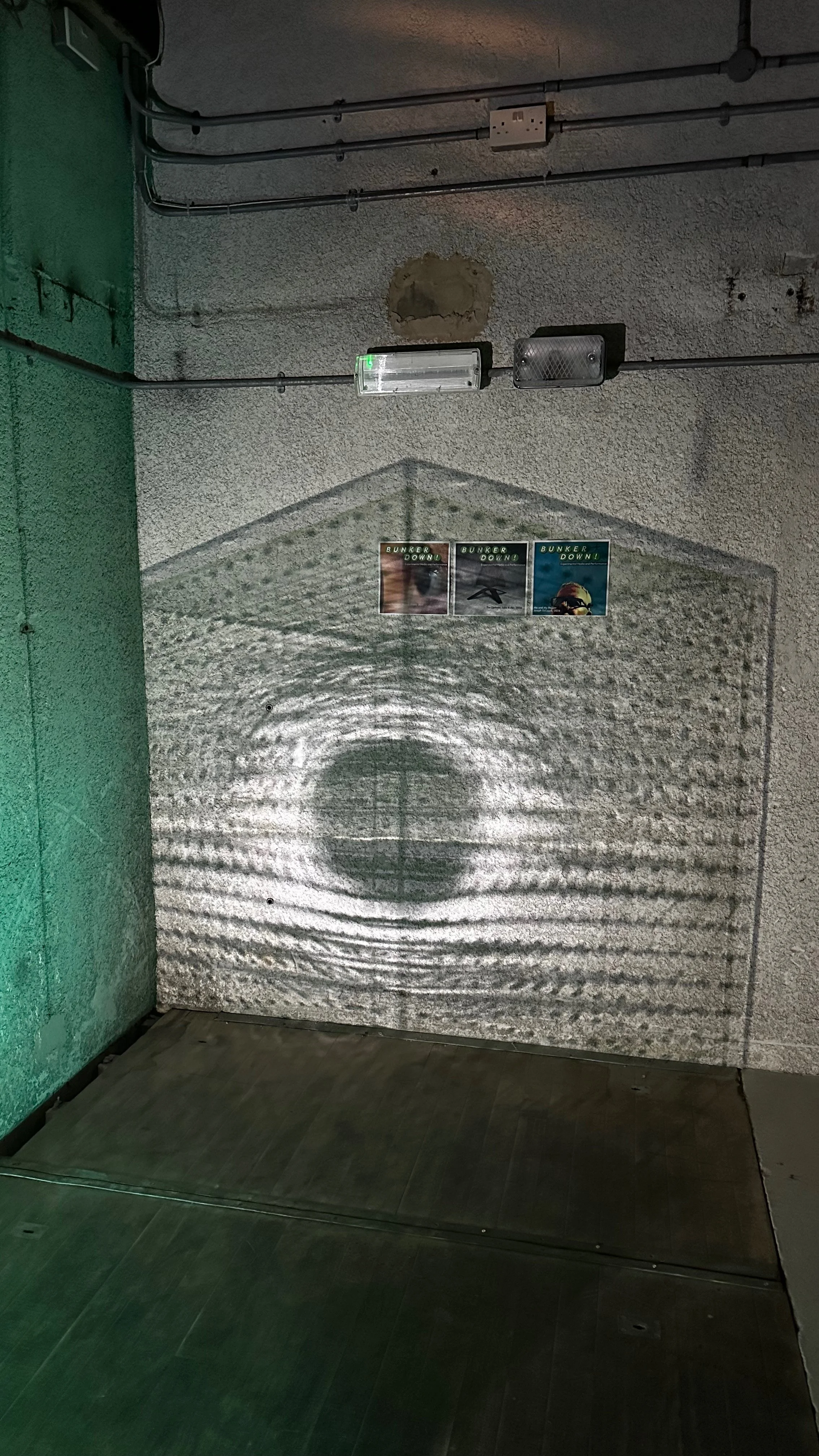
All Possible Worlds I, II and III and Unbeing (KHPDU) are new site-specific iterations of sculptural and video animation works, re-conceived to respond to the extraordinary surroundings of Bervie Brow reseach station, in group show Bunker Down!
Bunker Down! was a two-day, artists-led live event, featuring experimental art, installations, and performances, at the Bervie Brow Research Station, a historic 28-acre Cold War bunker and signals station on the north-east coast of Scotland. Over a single weekend in September 2026, Bunker Down! invited audiences to engage the work of a dynamic group of UK based and international artists working with film and video, electronic music, sound art, performance, virtual reality, video games, photography and other experimental creative practices. The exhibition took place across the various rooms, corridors and above ground within the confines of the Bervie Brow Research Station.
Artists and performers featured included: Biome Collective, Jon Blackwood, John Butler, Joseph DeLappe, Zhiyang Ding, Gair Dunlop, Christine Ellison & Jim McEwan, Victoria Evans, Beverley Hood, Etsuko Ichikawa, Ecem Ince, Laura Leuzzi, Adam Lockhart, Hadi Mehrpouya & Rhizoma, Christos Michalakos & Dimitris Papageorgiou, Jay Needham, Nic Pekonnen, Emile Shemilt, Stephen Skrynka, IRVINE & SPENCE, Sara Stroud, Louise K. Wilson, Michelle Woolley, and Maja Zećo.
Harry Willis Fleming has led the effort to creatively develop the bunker as an immersive environment for research, education, art, history, and more. For bunker tours see here https://www.eventbrite.co.uk/o/65336444883
The event was curated by Joseph DeLappe, Laura Leuzzi, and Gair Dunlop.
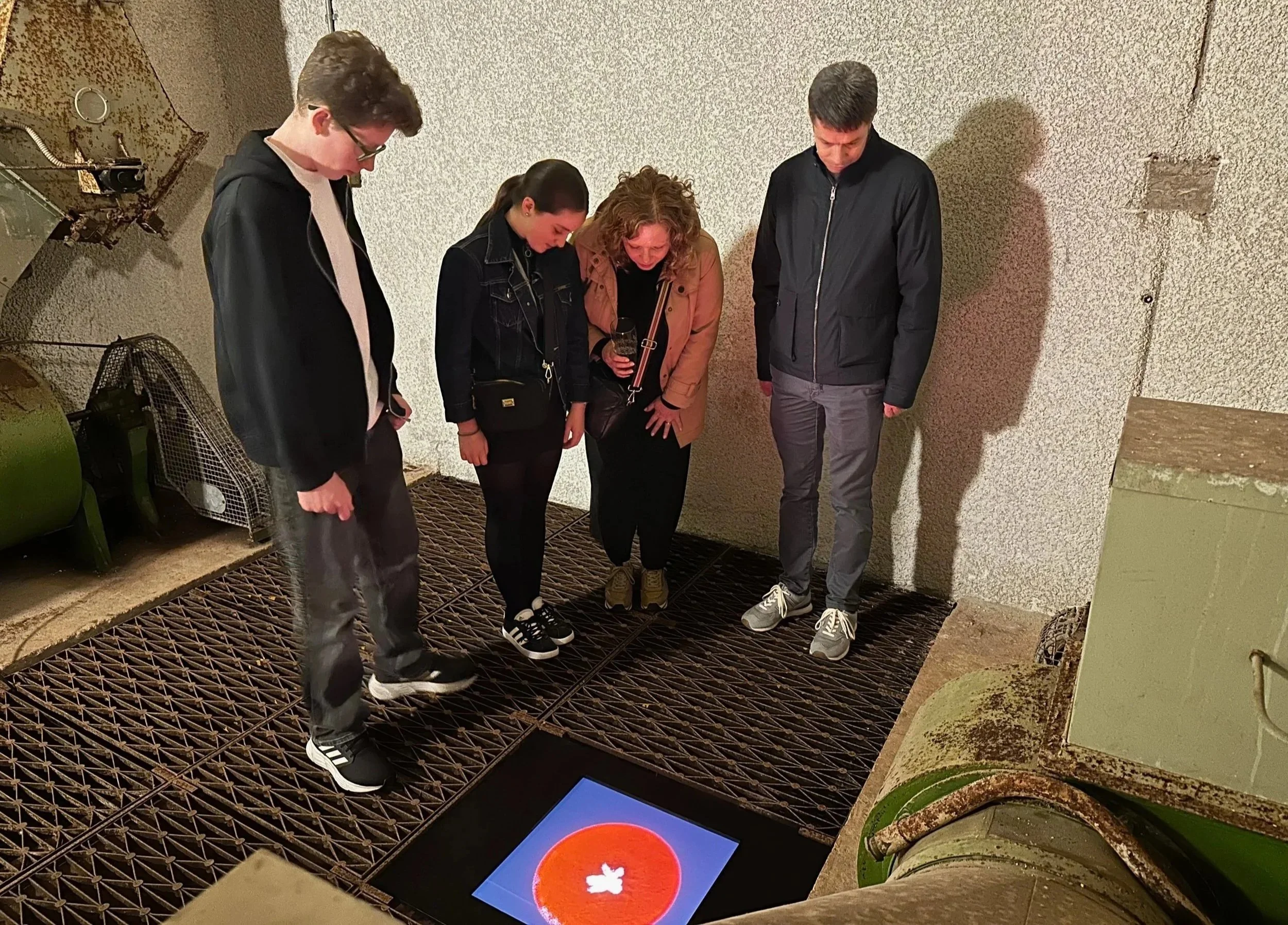
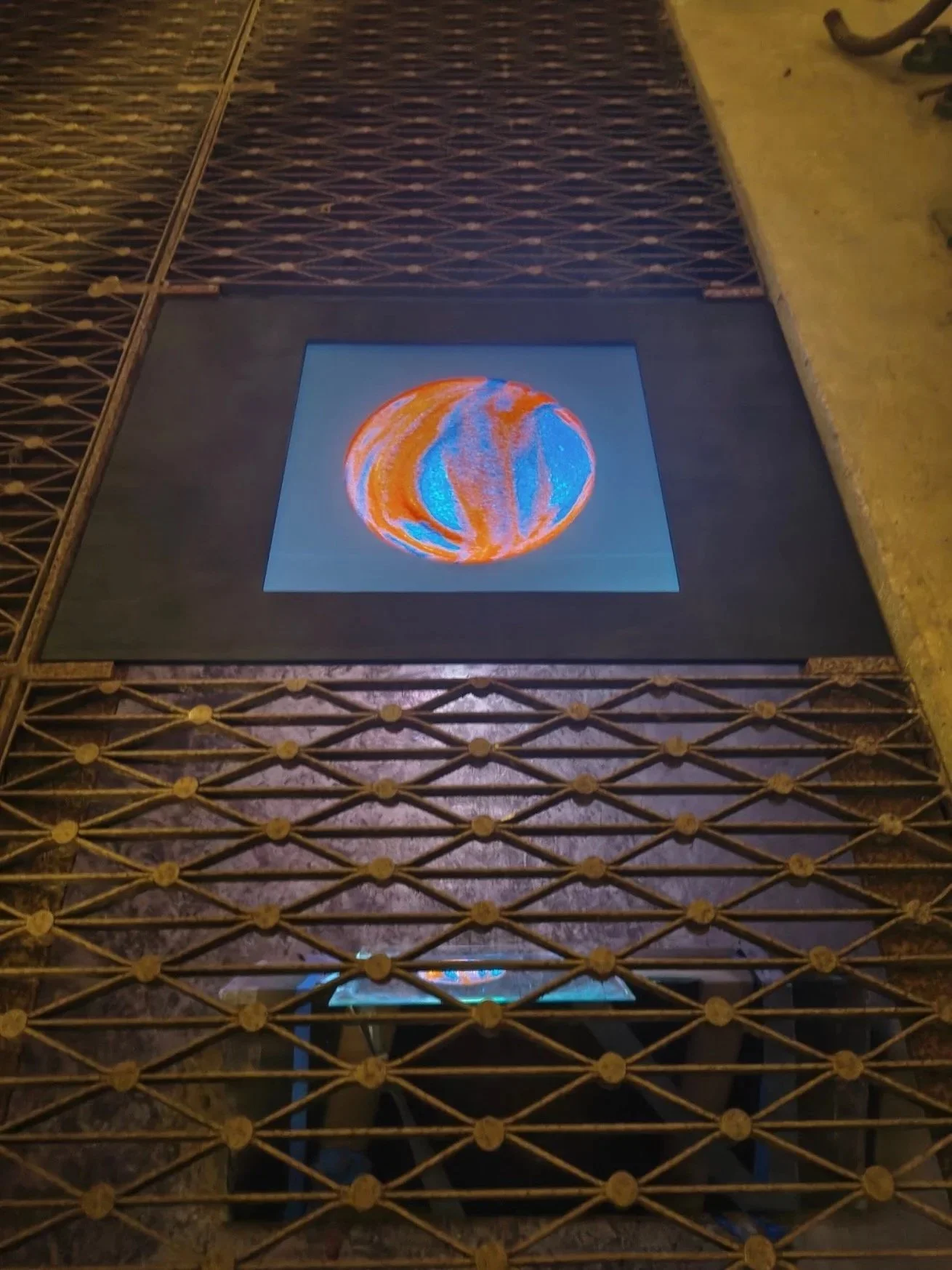
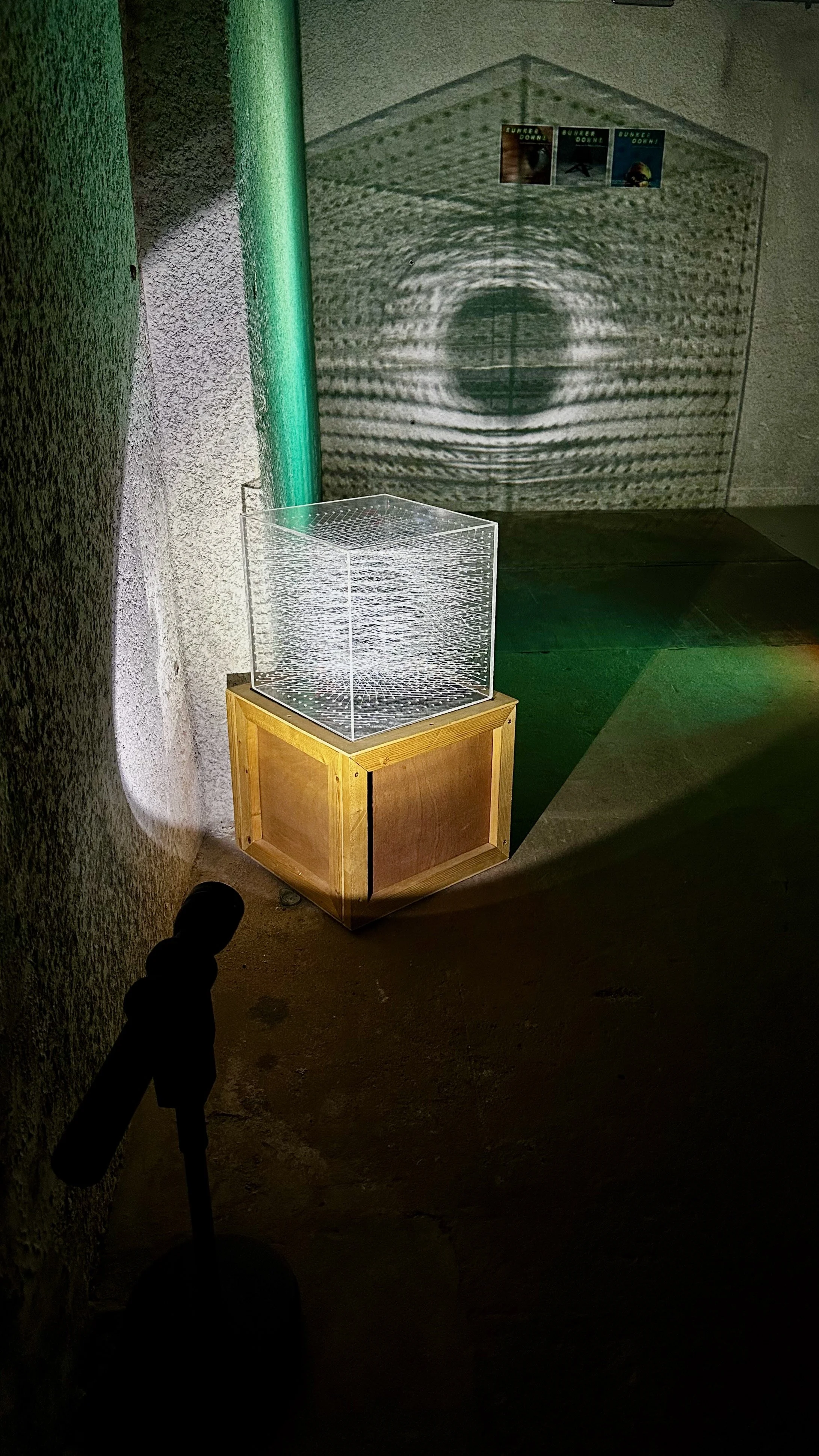
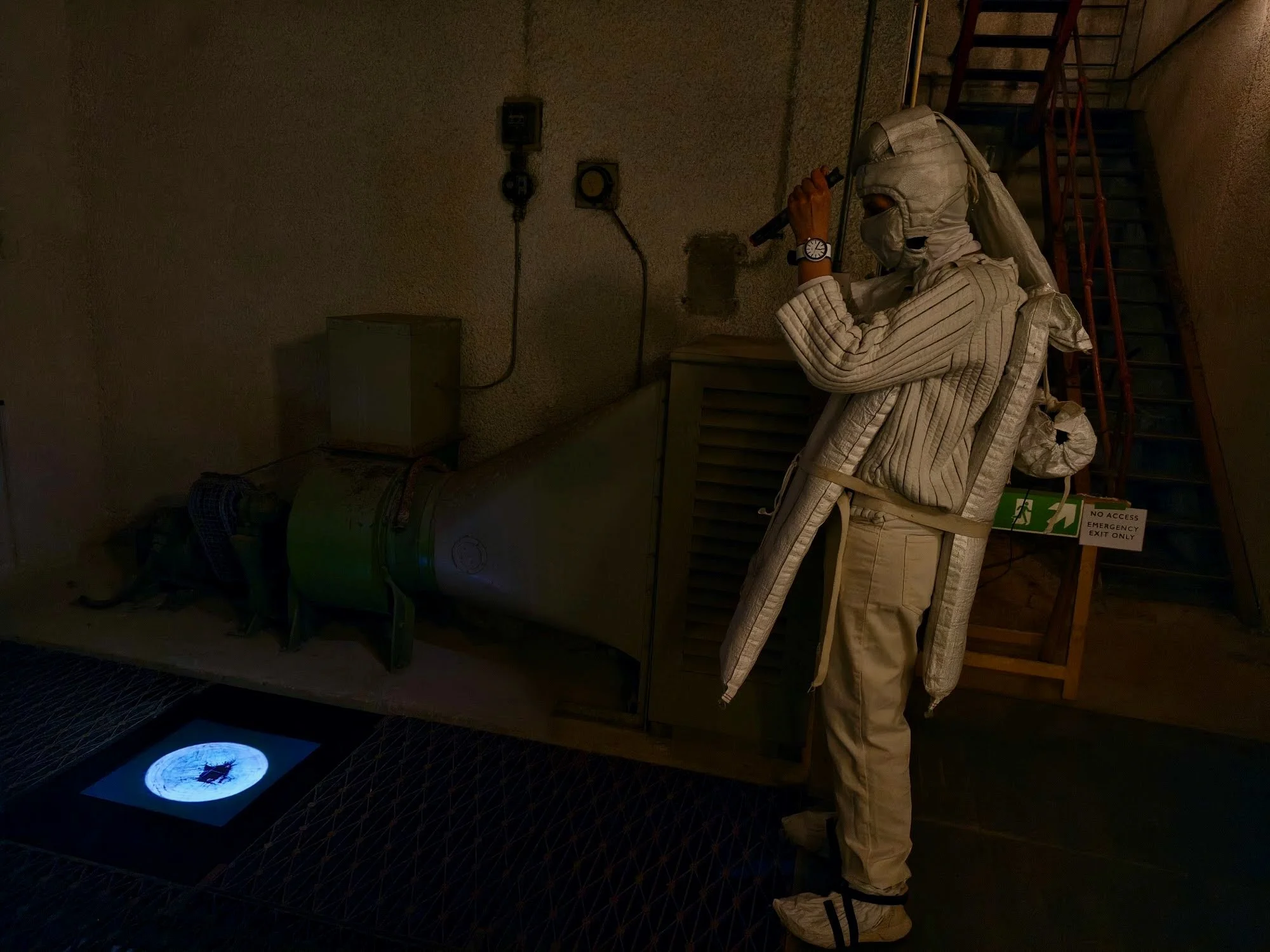
Situated on the summit of Bervie Brow, the station first opened in 1953 as RAF Inverbervie, forming part of the UK’s ROTOR radar defence system. It later became a key intelligence site under the United States Naval Security Group, before taking on a critical role as Scotland’s concealed post-strike Armed Forces Headquarters during the final decade of the Cold War. Today, it is home to the only surviving R1 bunker in the UK that remains in good, visitable condition (https://www.coldwarnetwork.co.uk/ncwhw-2026-bervie-brow/).
My installation Unbeing (KHPDU) was inspired by the remote sensing technology used in the Bervie Brow bunker when it was a post-war radar signal station. On a pre-exhibition site visit Harry Willis Fleming described the Kelvin Hughes Photographic Display Unit (PDU). This photographic technology was an automated, large-format rapid-film processing and projection system used during the Cold War to track radar targets*. At Bervie Brow, four images per minute would have been taken, processed and projected at a larger scale on to the underside of a map table in the room above. This all took place in less than a minute, facilitating near-live tracking and strategic decision making. The notion of radar images turned into a kind of high stakes stop-frame animation in this way fascinated me and inspired my own under-floor projection as a tribute to Kelvin Hughes’ invention. *https://en.wikipedia.org/wiki/Photographic_Display_Unit
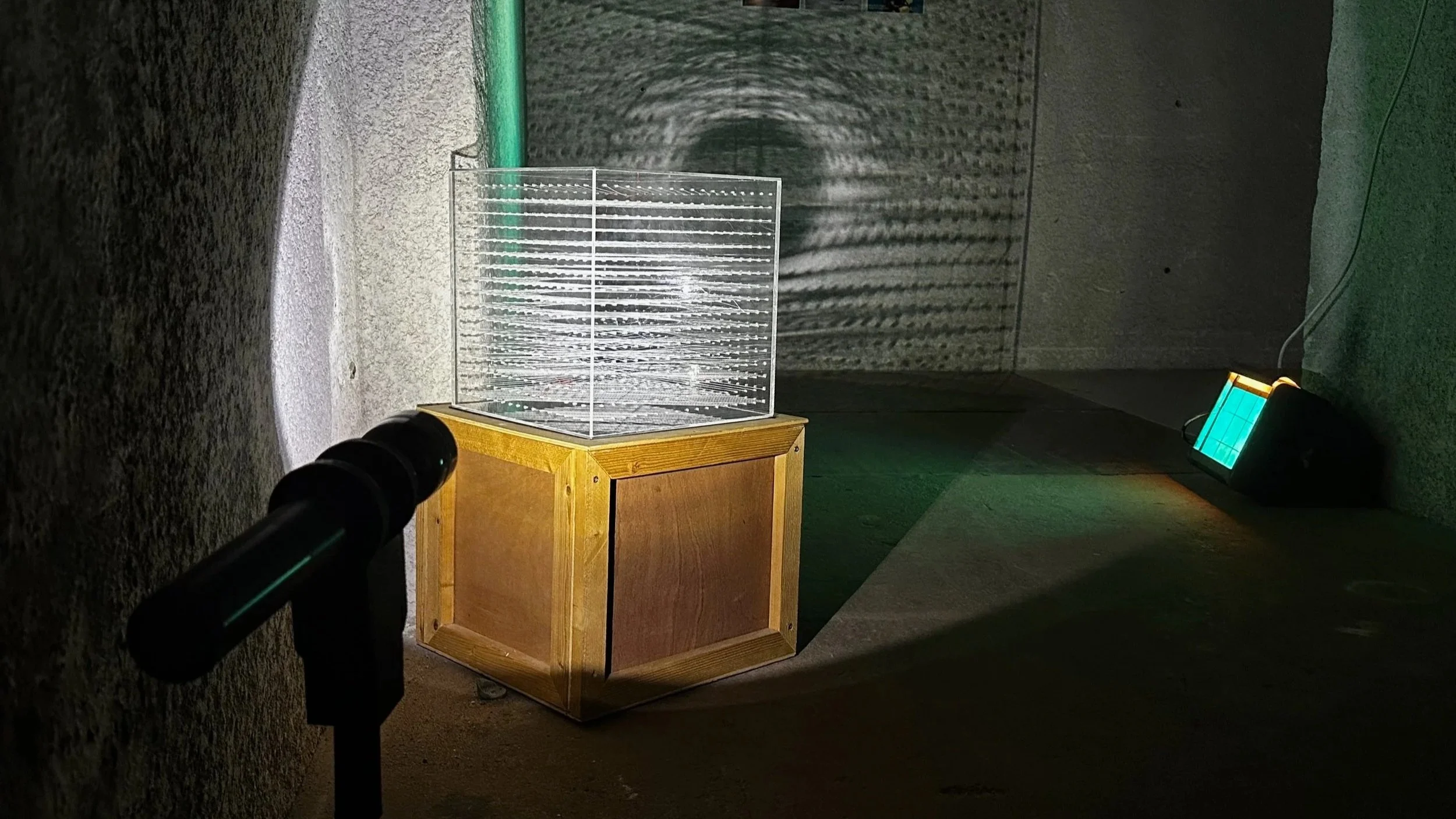
All Possible Worlds I, installation view.
In addition I installed three thread and acrylic sculptures (All Possible Worlds I, II, III), activated by mounted torches to illuminate some of the dark corners of the bunker.